
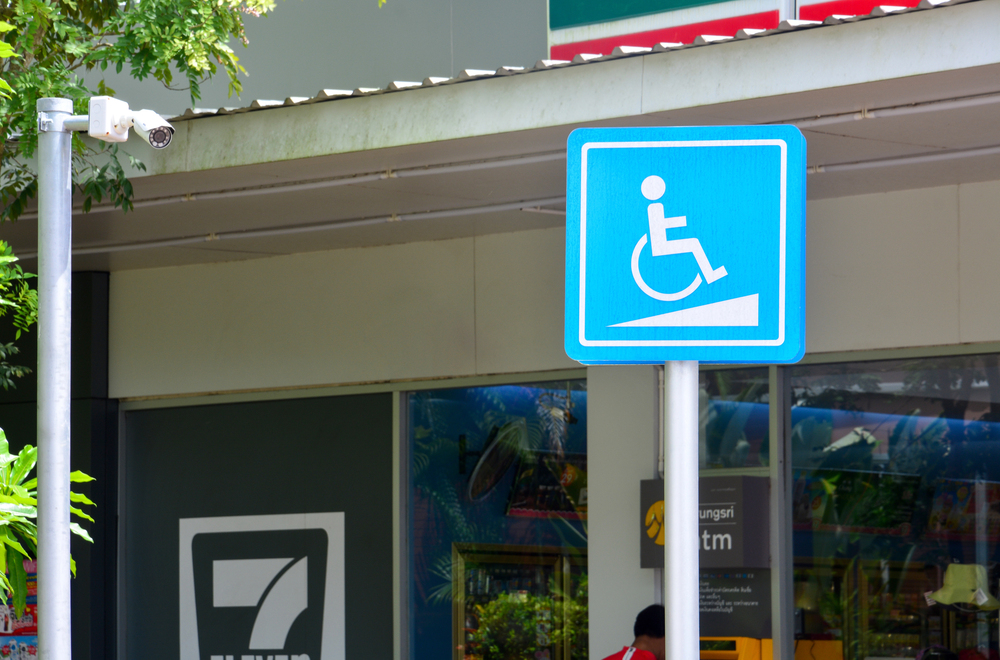
Think ADA compliance is too expensive for your small business? Think again.
As a Disability Inclusion Advocate and consultant, I’ve worked with many small business owners who feel intimidated by the Americans with Disabilities Act (ADA). They often assume compliance requires costly renovations, complicated rules, and resources they simply don’t have. However, the reality is far more encouraging, and ADA compliance doesn’t have to be overwhelming or expensive. Many low-cost or no-cost solutions can help you create an inclusive, welcoming space for all customers. In this article, I’ll break down practical, budget-friendly strategies that help small businesses meet ADA requirements without straining their finances. From quick fixes and low-cost upgrades to free resources and thoughtful planning, you’ll learn how to make your business more accessible, legally compliant, and customer-friendly without breaking the bank. Let’s dive in and explore how you can build a more inclusive business, one step at a time.
1. Start with a Mindset Shift
ADA compliance is not about checking off legal boxes but building a business that welcomes everyone. When you shift your mindset and see accessibility as an opportunity rather than a burden, you unlock the actual value of inclusion. This positive outlook encourages creative solutions, strengthens connections within your community, and builds trust with your customers. Small businesses that lead with inclusion attract a more diverse customer base, retain loyal patrons who feel seen and respected, and benefit from organic word-of-mouth marketing. Inclusion starts with intention, and that begins in the mind.
2. Conduct a Simple Accessibility Audit
You don’t need a big budget or a professional consultant to assess your accessibility; you can begin with a simple self-audit. Walk through your business space as if you were a customer with a disability. Ask practical questions:
- Can someone using a wheelchair easily enter, move around, and access key areas?
- Are your signs clear, easy to read, and positioned at a visible height?
- Is your website navigable with screen readers and keyboard-only functions?
- Do you offer multiple ways for customers to reach you, like phone, email, or text?
This hands-on approach gives you immediate insight into areas that need improvement. Free tools like the ADA Checklist for Existing Facilities from the ADA National Network can guide you through the process, helping you pinpoint quick fixes and bigger projects to plan over time. Starting small with an audit empowers you to take meaningful, cost-effective steps toward full accessibility.
3. Prioritize Low-Cost, High-Impact Fixes
You don’t have to overhaul your business to make it more accessible. Start with small, affordable changes that make a big difference. Many ADA compliance upgrades are both budget-friendly and highly effective in improving the customer experience.
For example:
- Add a portable ramp at entrances with a single step to welcome wheelchair users.
- Rearrange your furniture to create wider, clearer pathways for easy navigation.
- Replace round door knobs with lever-style handles to improve accessibility for people with limited grip strength.
- Improve your lighting to help customers with vision loss move through your space more comfortably.
- Train your staff in basic disability etiquette and inclusive communication to confidently and respectfully assist all customers.
These simple updates don’t require significant investments but make your space more welcoming. Each change shows your customers, especially those with disabilities, that you care, pay attention, and are committed to creating a place where everyone belongs.
4. Make Your Website Work for Everyone
In today’s digital-first world, your website often serves as a customer’s first impression, so it’s crucial to make it accessible to everyone. Digital accessibility ensures that people with disabilities can easily navigate, understand, and interact with your site. The good news? You can implement many changes without needing a whole web development team.
Start by taking these impactful yet straightforward steps:
- Add alt text to all images so screen readers can describe visuals to users with vision loss.
- Use high-contrast color schemes to make text easier to read for people with low vision.
- Structure your content with proper headings (H1, H2, H3) to help screen readers navigate your pages logically.
- Install accessibility plugins, many of which are free or low-cost, especially if you use platforms like WordPress, Shopify, or Wix.
Creating an accessible website isn’t just the right thing to do; it also boosts your visibility in search engines, improves user experience, and expands your customer base. When you make your site more inclusive, you invite everyone to do business with you.
4. Engage the Disability Community
The most effective way to make your business truly accessible is to listen to the voices of people with disabilities. Instead of guessing what improvements are needed, go straight to the source: your customers and community members who live with disabilities every day.
Encourage open feedback through comment cards, surveys, or casual conversations. Ask what’s working, what isn’t, and how you can improve. Invite individuals with disabilities to visit your space and offer honest input. Partner with local disability advocates or organizations to conduct accessibility walkthroughs. They’ll help you spot barriers you may not have noticed and suggest practical, affordable solutions.
This collaborative approach helps create a more inclusive business and shows your commitment to listening, learning, and improving. By engaging the disability community, you build trust, deepen relationships, and establish your business as a place where everyone feels welcome.
6. Take Advantage of Tax Credits
Many small business owners overlook a key financial benefit of becoming ADA-compliant: federal tax incentives designed to make accessibility more affordable. These programs can significantly offset the cost of upgrades, equipment, or services that improve access for people with disabilities.
Start by exploring two valuable options:
- The Disabled Access Credit (Form 8826): This credit offers up to $10,250 annually and reimburses 50% of eligible expenses such as installing ramps, modifying restrooms, or providing accessible communication tools. It’s specifically designed for small businesses with less than $1 million in revenue or fewer than 30 full-time employees.
- The Barrier Removal Tax Deduction allows businesses to deduct up to $15,000 annually for expenses related to removing physical or transportation barriers that limit access to their facilities or services.
These credits and deductions allow you to make impactful accessibility improvements without straining your budget. They ease the financial load and reward you for taking meaningful steps toward inclusion, proving that doing the right thing can also be a wise financial decision.
7.Plan for Progress, Not Perfection
You don’t have to fix everything all at once; the law doesn’t expect you to. What matters most is that you take meaningful steps toward accessibility and show you’re committed to ongoing improvement. The ADA emphasizes effort and intent, not immediate perfection.
Start by documenting your changes and creating a simple action plan for future improvements. Even small steps like scheduling a consultation, rearranging your layout, or adding an accessibility plugin to your website demonstrate a good-faith effort to comply with the law.
Courts and regulatory agencies tend to be far more understanding when you can show that you’re actively working toward compliance—progress matters. By setting realistic goals and following through, you show your community and the law that you take accessibility seriously.
Conclusion
Small businesses drive the economy and shape the culture and character of our communities. When prioritizing accessibility, you send a powerful message: everyone is welcome here. You’re not just checking a legal box; you’re building a space where people feel valued, respected, and eager to return. Creating an inclusive environment isn’t just the right thing; it’s a smart business move. Inclusive businesses attract more customers, foster deeper community loyalty, and gain a competitive edge.
If you’re unsure where to begin, you’re not alone. As a Disability Inclusion Consultant, I help small businesses like yours build practical and affordable strategies for ADA compliance and long-term accessibility. Together, we can make your space more welcoming, without straining your budget.
Let’s talk! Connect with me on LinkedIn [https://www.linkedin.com/in/addieray/] or visit https://accessforallllc.com/contact-2/ to learn how I can support your accessibility goals.
Please share your opinion in the comments below. I look forward to your feedback.
Until Next time, take self-care seriously, and God bless (whoever your god is).
Addie Ray