
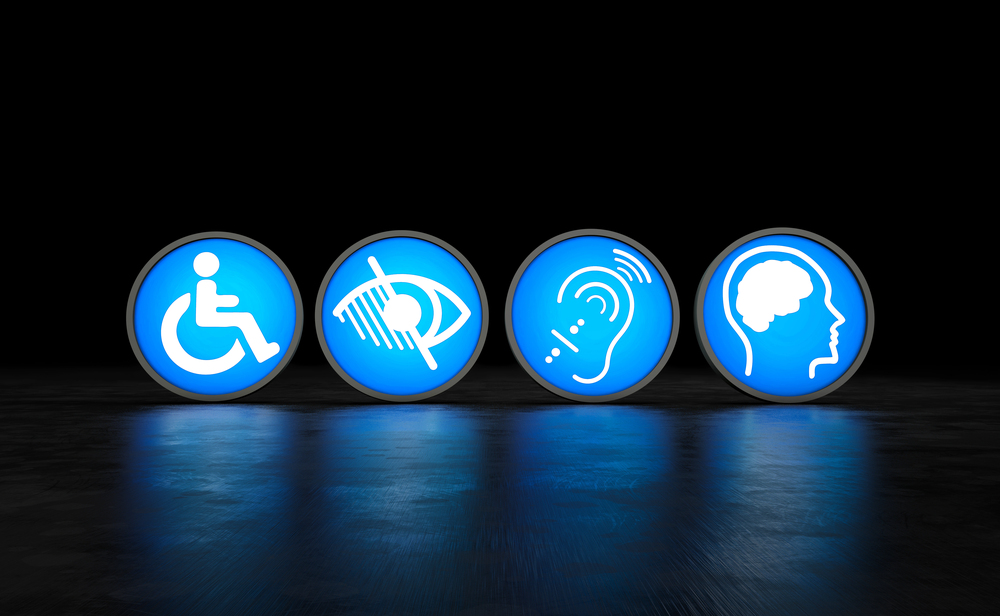
When we discuss accessibility, many people immediately think of physical features such as ramps, elevators, or wider doorways. While these elements are crucial for ensuring that individuals with mobility impairments can navigate their environments, they represent just the tip of the iceberg. As a Disability Inclusion Consultant and Advocate, I believe we need to expand our understanding of accessibility to include sensory and cognitive needs. In this article, I will look into why this is essential for creating truly inclusive public spaces.
Understanding Sensory and Cognitive Accessibility
Sensory accessibility addresses the diverse ways people perceive and interact with their environments. This includes easing sensitivities to noise, light, or tactile stimuli, all of which can significantly impact an individual’s experience. On the other hand, cognitive accessibility relates to how easily people can process information, understand signs, and navigate spaces, which is crucial for those with intellectual disabilities, ADHD, autism, and other cognitive variations.
Imagine navigating a bustling train station: bright lights flashing, loud announcements blaring, and crowds rushing by. For someone with sensory sensitivities, this experience can feel overwhelming or even distressing. For individuals with cognitive challenges, deciphering signage or directions in such a chaotic environment can become an insurmountable hurdle.
Practical Ways to Make Spaces More Inclusive
The good news is that when you design with sensory and cognitive accessibility in mind, you create environments that benefit everyone, not just people with disabilities. Inclusive design reduces stress, makes navigation easier, and fosters a sense of belonging for all. By taking intentional steps, you can transform spaces into welcoming places where people of all abilities feel comfortable and supported.
Here are some practical strategies to put into action:
1. Clear, Simple Signage
Make signage easy for everyone to understand by combining text with pictograms and universal symbols. Use high-contrast colors so people with low vision can read signs without strain. Write directions in short, simple phrases that people can follow quickly, even in busy or stressful environments. When you design signage this way, you guide people with confidence and remove barriers to navigation.
2. Quiet Spaces
Designate quiet rooms in busy places such as airports, malls, libraries, or event centers. Equip these spaces with soft lighting, comfortable seating, and soundproofing to reduce noise and visual distractions. Give individuals the option to step away from overwhelming environments so they can reset, relax, and return to activities with greater comfort and focus. By creating quiet spaces, you show that the environment values well-being and inclusion for everyone.
3. Lighting and Sound Control
Replace harsh fluorescent lighting with softer, adjustable options that reduce glare and eye strain. Use natural light whenever possible and provide dimmers so people can adapt the brightness to their comfort. Keep background music at a moderate level so it adds atmosphere without becoming distracting. Ensure announcements and conversations remain clear, allowing people to hear important information without feeling overwhelmed. By managing lighting and sound thoughtfully, you create a calmer and more welcoming environment for everyone.
4. Multiple Ways to Communicate
Share information in more than one format so everyone can access it. Use visual displays, audio announcements, and easy-read versions with simple text and images. Train staff to use alternative communication methods, such as gestures, visual aids, or assistive technology, so they can support individuals with different needs. When you provide multiple ways to communicate, you remove barriers and ensure that every person receives information clearly and confidently.
5. Predictability and Routine
Provide maps, digital guides, or clear schedules so people can plan their visits with ease. Post timetables and event details in visible, accessible formats, and update them consistently. Maintain routines in how activities are organized, and give advance notice of any changes. By keeping things predictable, you reduce anxiety and create a sense of security, especially for those who thrive on routine and structure. This approach helps everyone feel more confident and prepared.
A Culture Shift in Accessibility
We must treat accessibility as more than a box to check; it’s a culture to embrace. When businesses, governments, and organizations broaden their view of accessibility beyond ramps and elevators, they create spaces where everyone feels welcome and valued. This shift sends a clear message: You belong here, and your experience matters.
Consider airports that establish sensory-friendly check-in lines or museums that schedule “quiet hours.” These efforts go beyond kindness; they show foresight. By making environments more inclusive, organizations attract a wider audience, build lasting loyalty, and demonstrate true leadership in inclusion. Accessibility, when woven into culture, strengthens both communities and institutions.
Conclusion: A Call to Action
As we move toward a more inclusive future, we must recognize that accessibility is not about meeting the bare minimum. It is about understanding and addressing the full range of sensory and cognitive needs that people bring with them into public spaces. When we design environments with these needs in mind, we do more than remove barriers; we send a powerful message that everyone is welcome and valued without exception.
Let’s challenge ourselves to look beyond ramps, elevators, and doors. True inclusion requires us to think creatively and compassionately about how people experience the world. By prioritizing sensory and cognitive accessibility, we not only create better public spaces but also nurture a more empathetic and connected society. Everyone deserves the chance to engage, belong, and thrive. Together, we can make that vision a reality.
If you have any questions or would like to share your thoughts and experiences with disability inclusion, please schedule some time with me at Contact Addie.
Please share your opinion in the comments below. I look forward to your feedback.
Until Next time, take self-care seriously, and God bless (whoever your god is).
Addie Ray
https://www.facebook.com/addie.ray.463176
Discover more insightful articles, click here to explore: accessforallllc.com/blog2